SEOUL — On one side of the line that has divided two societies for so long, the words arrive as fast as globalization can bring them — English-based lingo like «shampoo,» «juice» and «self-service.» To South Koreans, they are everyday language. To defectors from the insular North Korea, they mean absolutely nothing.
Turn the tables, and the opposite is true, too: People in Seoul furrow their brows at homegrown North Korean words like «salgyeolmul,» which literally means «skin water.» (That’s «skin lotion» in the South.)
Two countries, mortal enemies, tied together by history, by family — and by language, but only to a point. The Korean Peninsula’s seven-decade split has created a widening linguistic divide that produces misunderstandings, hurt feelings and sometimes even laughter. The gap has grown so wide, scholars say, that about a third of everyday words used in the two countries are different.
North and South Koreans are generally able to understand each other given that the majority of words and grammar are still the same. But the differences show how language can change when one half of the country becomes an international economic powerhouse and the other isolates itself, suspicious of outside influences.
America’s huge cultural influence through its military presence, business ties and Hollywood has flooded the South Korean vernacular with English loan words and «konglish,» which uses English words in non-standard ways, like «handle» for steering wheel, «hand phone» for cellphone and «manicure» for nail polish.
In North Korea’s view, all that is just further evidence that the South is an American cultural colony.
When Pak Mi-ok first arrived in South Korea after her defection in 2002, she was told by a waitress at a restaurant that water was «self-service,» an English phrase she had not heard before. Too shy to admit she didn’t understand, she ended up going without water during her meal.
«I worried the waitress would look down on me,» said Pak. She started out working at restaurants but struggled to understand customers. «I thought they spoke a different language,» she said.
Pak gradually picked up on the new lingo, and in a recent interview she used words like «stress» and «claim» that aren’t heard up in the North.
The North’s isolation and near-worship of the ruling Kim family has also skewed the language. «Suryong» is the revered title for the North’s founding leader and his son, Kim Jong Il, the father of the current ruler, Kim Jong Un. But in the South, it’s used to refer to a faction or local leader from centuries ago.Pyongyang is so eager to «purify» its language under its guiding philosophy of self-reliance that it vigorously eliminates words with foreign origins and uses homegrown substitutes. Shampoo is called «meorimulbinu,» or «hair water soap,» and juice is «danmul,» or «sweet water.» Such differences fascinate and amuse South Koreans, who love to examine them on quiz and comedy shows.
https://www.therecord.com/news-story/5475558-after-70-years-apart-north-and-south-koreans-speak-increasingly-different-languages/
Misunderstandings can arise to seemingly innocuous Korean phrases like, «Let’s do lunch sometime,» which those in the South frequently use as a friendly ending to conversations, even with casual acquaintances. But newly arrived North Korean defectors take such invitations literally, and are often dismayed or offended when they don’t get a followup phone call.
«If someone uses such empty words in North Korea, they’ll see their relations with others cut off and be branded as a faithless person,» said a defector who asked not to be identified because of worries that doing so would put family members in the North at risk.
Linguists say it takes about two years for North Korean defectors to feel comfortable conversing in South Korea.
The communication gap widens when it comes to technical terms used in medical and technological settings, according to Han Yong-un, a South Korean linguist. About two-thirds of medical terms are different, he said.
«I think that North and South Korean doctors cannot work together in the same operating room,» Han said.
Over the past 10 years, there have been efforts to produce a joint dictionary containing 330,000 words from both countries — a rare example of co-operation.
But as is often the case, political tensions have interfered with progress. The meetings only resumed last July after a more than four-year hiatus following the 2010 sinking of a South Korean warship. A new round of meetings, tentatively set for last month, hasn’t been held as North Korea bristled over the annual springtime joint U.S.-South Korea military drills.
Even language experts from the two countries can have trouble understanding each other.
During last year’s meeting in Pyongyang, South Korean linguist Kim Byungmoon said he tried to explain how South Koreans use the English word «glamour» as a noun to refer to a voluptuous woman, but North Korean scholars had difficulty understanding its usage.
Given the completely different political and economic systems between the two countries, it also takes a while to learn the connotations and associations that some emotionally-laden words have.
In South Korea, «spec» refers to qualifications and credentials that college students need to land a good job. While defectors can quickly learn what the word literally means, it takes much longer to understand the immense stress associated with the word for young job-seekers in South Korea’s ultra-competitive society, said Jeon Young-sun, a research professor at Seoul’s Konkuk University.
Those in the South, meanwhile, may struggle to understand the emotional impact of «saenghwal chonghwa,» the regular meetings in the North at which people are required to reflect on their behaviour and criticize each other. The phrase, which literally means «group discussions on daily lives,» isn’t used in South Korea.
«We were sick and tired of it,» Pak said. «I still get goosebumps whenever I hear that word.»
The Associated Press
Categoría: Fronteras
Las fronteras invisibles de Europa, el continente dividido que esconden los mapas
Detrás de los mapas políticos mudos, se esconden otros que completan el puzzle histórico que conforma la realidad del presente europeo. Son las fronteras invisibles, divisiones que no apreciamos en los mapas comunes pero que perviven en las estadísticas y en las realidades sociales de cada país. Fantasmas de antiguos estados que desaparecieron hace más de un siglo o hace algunas décadas, divisiones culturales internas que la modernidad no ha apagado.
https://magnet.xataka.com/en-diez-minutos/las-fronteras-invisibles-de-europa-el-continente-dividido-que-esconden-los-mapas
Dentro de los otros peñones de España
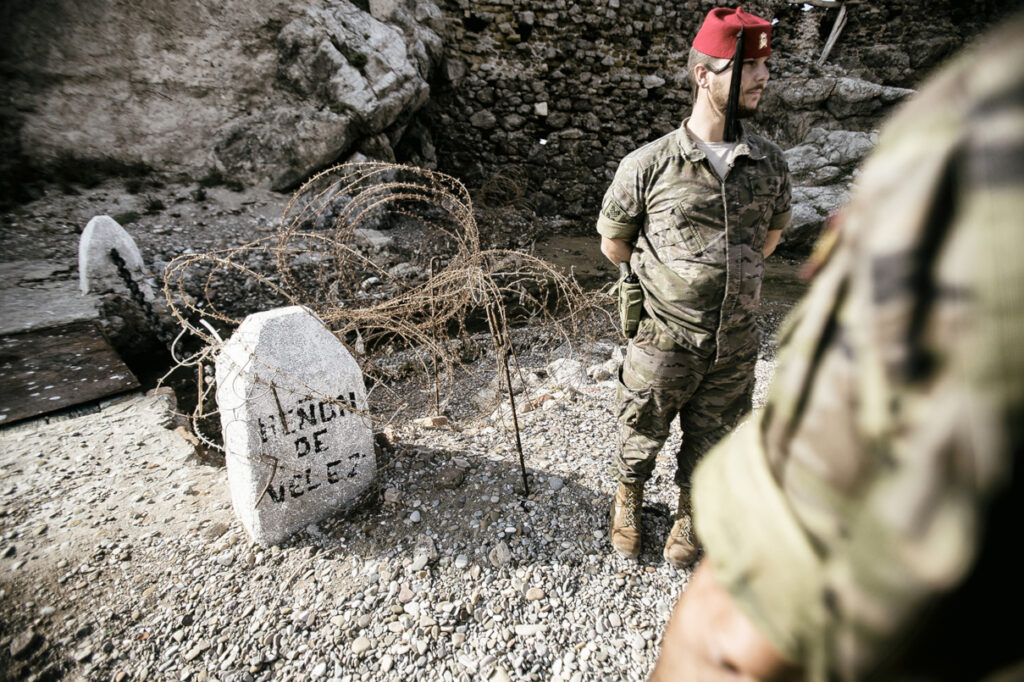
https://www.elmundo.es/cronica/2016/11/19/58262444e2704ed85d8b45a0.html
Galicia gana terreno a León
O Courel recupera montes a lo largo de seis kilómetros que estaban sin deslindar, pero no logra la cumbre de A Cogoluda, que antiguamente era en parte gallega
A lo largo de unos seis kilómetros de montaña empinada (aunque los pinos vinieron luego) la raia nunca llegó a pintarse. Los vecinos de hace 84 años, unos del lado de Galicia, los otros del de León, no tenían prisa por entenderse. Así que el Instituto Geográfico tomó la determinación de levantar acta, dando por válido el desacuerdo, el 22 de noviembre de 1926: «La línea de término entre los mojones quinto y sexto se deja sin describir por no haber habido conformidad en cuanto a la posesión de hecho ni a la de derecho entre las comisiones presentes». Con estas palabras se abría un paréntesis en la frontera, confirmado en 1972, de nuevo por el Instituto Geográfico. El mapa del catastro tampoco aclaraba nada, porque pintaba la línea municipal más adentrada en Galicia que el límite provincial y autonómico. Incluso cuando se delimitó el espacio protegido por la Red Natura, se siguió la raya falsa que empequeñecía O Courel. Daba la impresión de que un pedazo del municipio leonés de Oencia era gallego. Aunque no era esto algo que importase mucho a la gente, las cosas sobre el papel, porque en realidad, en aquel confín del país gallego los vecinos de Ferramulín (O Courel) y Villarrubín (Oencia) respetaban, como antaño, los usos y costumbres.
[…]
https://elpais.com/diario/2010/11/11/galicia/1289474302_850215.html
Ignacio Evangelista – After Schengen (European Borders)
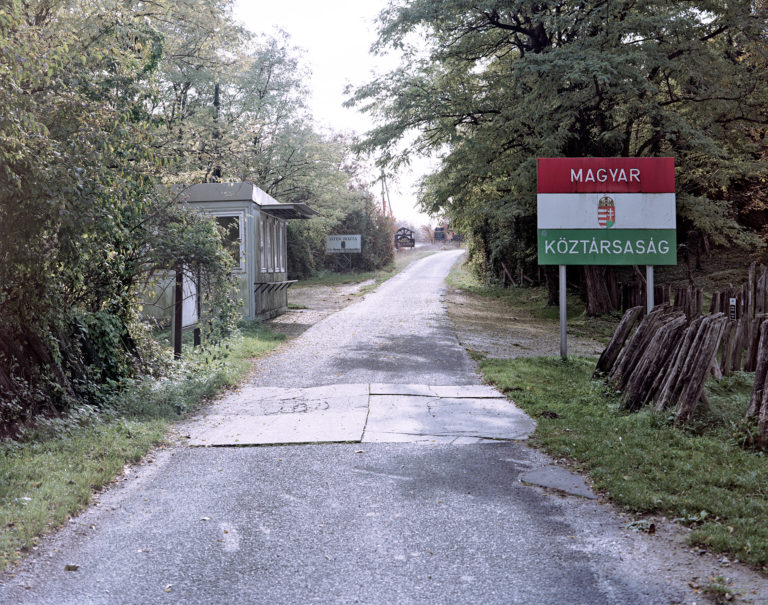
https://www.ignacioevangelista.com/arte/after-schengen/
La brújula verde: 3 territorios de Europa con una situación especial ++ 10 pequeños estados europeos poco conocidos que ya no existen
https://www.labrujulaverde.com/2016/02/3-territorios-de-europa-con-una-situacion-geografica-y-economica-especial
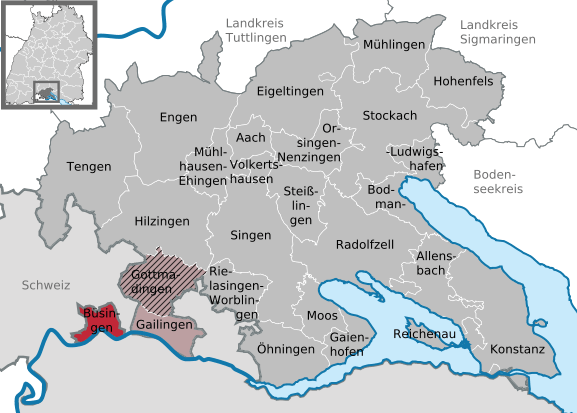
https://www.labrujulaverde.com/2017/12/10-pequenos-estados-europeos-poco-conocidos-que-ya-no-existen
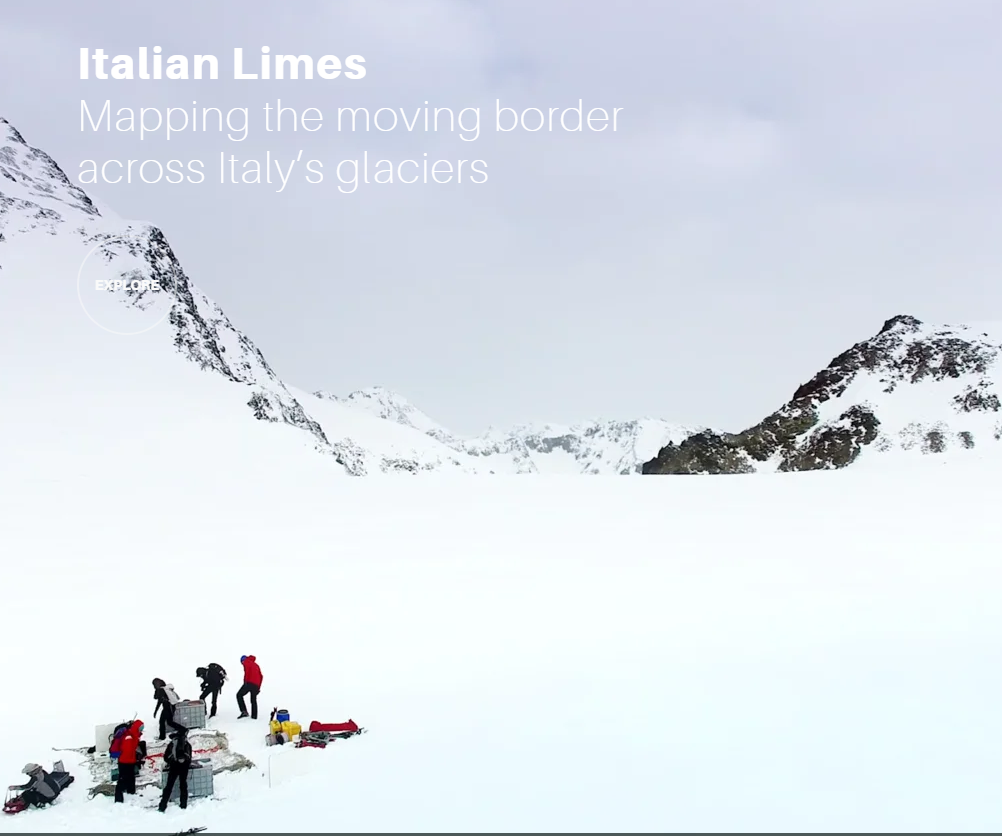
Italian Limes – Mapping the moving border across Italy’s glaciers
Italian Limes explores how natural borders—apparently unquestionable and self-evident—are in fact exposed to the complexity of long-term ecological processes, unveiling the problem of territorial representation and its political implications. Starting from an initial research into the archives of Istituto Geografico Militare in Florence, this section presents the main topics of the project, the design of the sensors installed on a glacier on the Italy–Austria border, and the resulting installation.
http://italianlimes.net
«Un pie en España y otro en Portugal»
http://www.rtve.es/alacarta/videos/comando-actualidad/comando-frontera-portugal/884815
Cipriana es española, bilingüe y habitante de la Tojera, una localidad fronteriza con Portugal. Como ella misma dice «Si quiere pone un pie en España y otro en Portugal». La suya es una de las historias limítrofes que recoge el Comando Actualidad «Vivir en la frontera»
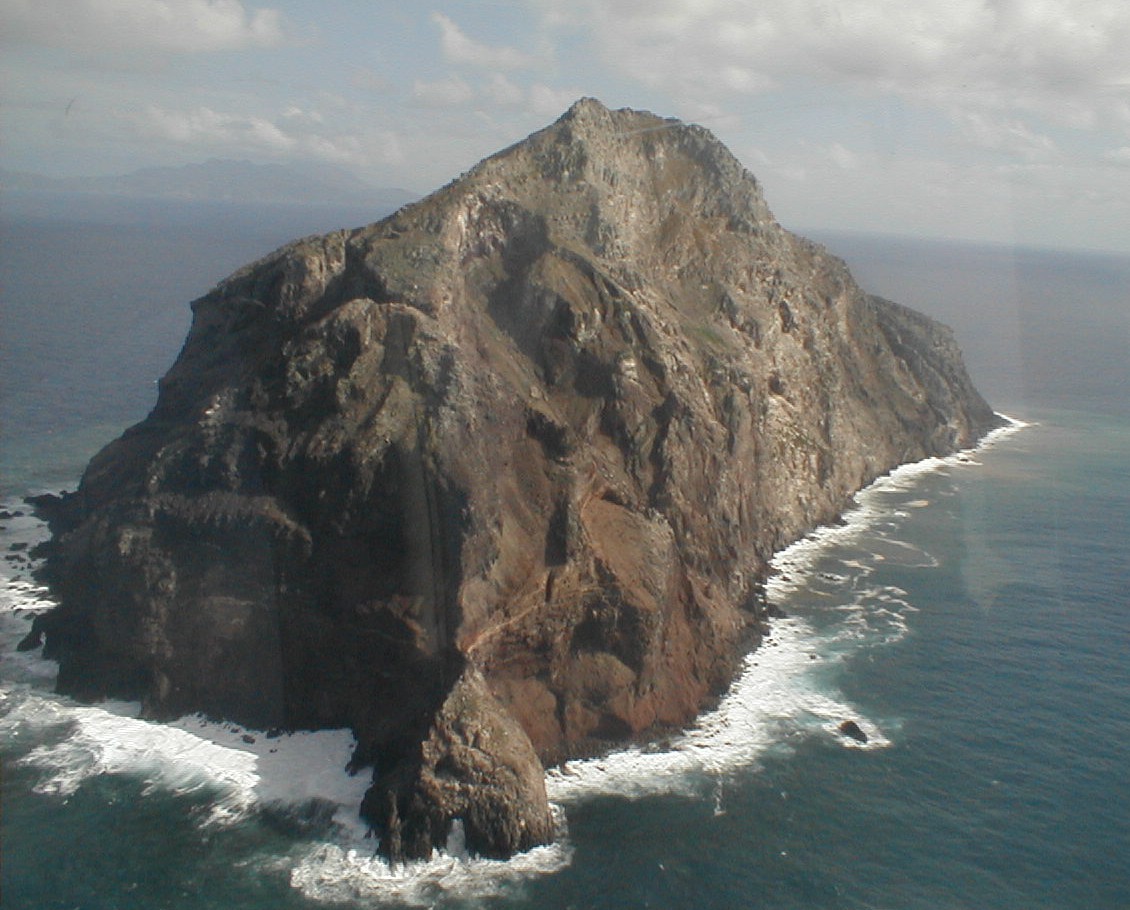
Ilhas Selvagens
La situación geográfica de las Salvajes, más cerca de Canarias que de Madeira, llevó a algunos conflictos pasajeros entre Portugal y España a través de los tiempos. En 1881, España le propuso a Portugal la construcción de un faro, pues las islas eran un peligro para la navegación hacia Canarias, pero esa construcción tardaría muchos años, lo que llevó a una propuesta de que España erigiese el faro a sus expensas (rechazada por Portugal) y a cuestiones sobre la soberanía de las islas levantadas por España. En 1938 fue emitido por la Comisión Permanente de Derecho Marítimo Internacional un dictamen en favor de Portugal, aunque España no tuvo la oportunidad de defender sus intereses debido a estar inmersa en la Guerra Civil Española.
Más información
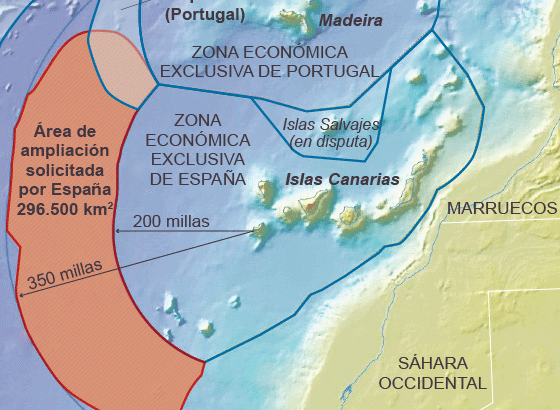
Fotografía: Digital Faro Canarias.
Bizarre borders
Part 1
Part 2
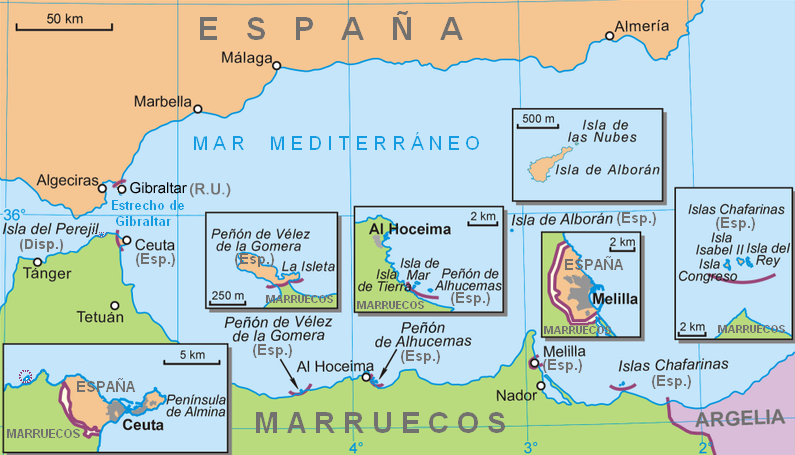
Algunos territorios desconocidos de España en el Mar Mediterráneo
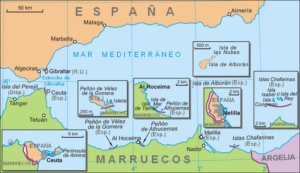
[Fuente]
acomódense, abran bien los ojos y traigan café, que hoy hablaremos de las islas, islotes y peñones españoles en el norte de África: las grandes desconocidas, de las que poca gente sabe salvo cuando en las noticias aparece que algún marroquí se ha dejado caer por allí reclamando con mucha más ingenuidad que efectividad la soberanía alahuita sobre ellos y se genera un conflicto bilateral que nunca se sabe cómo terminará.
[continúa]
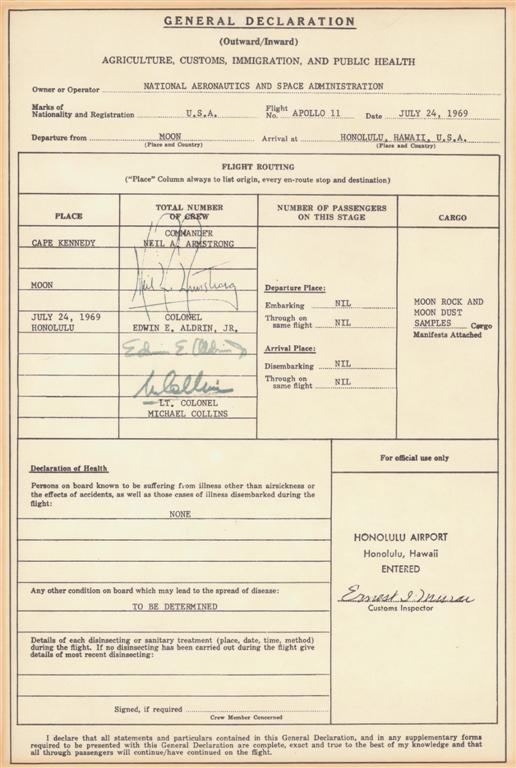
Frontera interplanetaria
Estados peculiares
When people think of tiny countries, places like Andorra, Monaco, and Luxembourg often come to mind. But these places are huge compared to some of the more obscure “micronations” scattered across the globe. These mini-states, which are often as small as a single acre, are formed for a variety of reasons: from artistic and political protest, to good old-fashioned tax evasion. And although their more legitimate counterparts rarely recognize them as sovereign entities, some of them have even gone so far as to draft bizarre constitutions, coin money, and hold elections. Here are ten of the more famous examples.

Arraianos
Pequeno documental sobre o contrabando na Raia, realizado por alumnos de Xornalismo (USC)