Que aumente el número de las que sepan leer, escribir y pensar
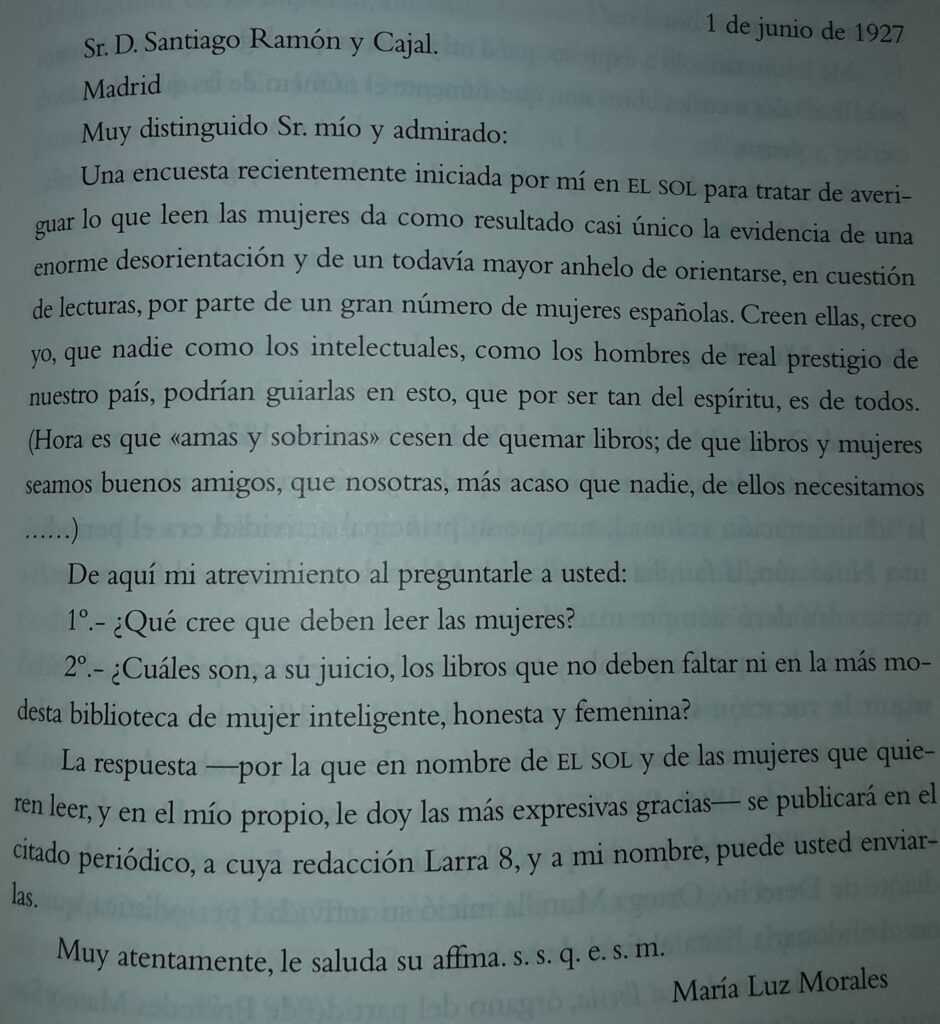
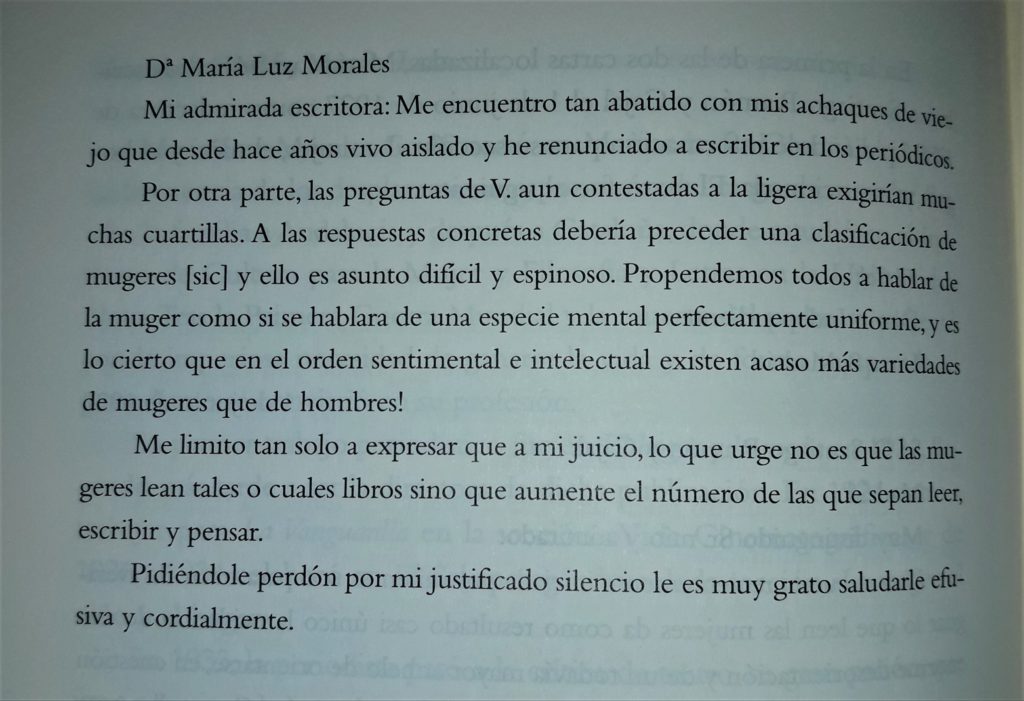
Que aumente el número de las que sepan leer, escribir y pensar
With the advancement of cognitive neuroscience and neuropsychological research, the field of language neurobiology is at a cross-roads with respect to its framing theories. The central thesis of this article is that the major historical framing model, the Classic “Wernicke-Lichtheim-Geschwind” model, and associated terminology, is no longer adequate for contemporary investigations into the neurobiology of language. We argue that the Classic model (1) is based on an outdated brain anatomy; (2) does not adequately represent the distributed connectivity relevant for language, (3) offers a modular and “language centric” perspective, and (4) focuses on cortical structures, for the most part leaving out subcortical regions and relevant connections.
https://doi.org/10.1016/j.bandl.2016.08.004
A father in Ireland goes to watch a football match with his buddy while his daughter has to study Irish, or Gaelic – the ancient language of Ireland. After over-celebrating his club’s victory, he awakes in the morning and finds he only speaks Irish, and that he doesn’t even understand English. His buddy is aghast at this situation, believing his friend to have become possessed, but his daughter manages to translate his friend’s assertion that this change may have been caused by a blow to the head during the revelries of the past evening’s celebrations. They decide to hit him again, and use a frying pan for the job. Disastrous results ensue. [Fuente]
8:31 AM: Ahora estoy completamente despierto
8:45 AM: YA ESTOY, despierto
9:06 AM: Ahora estoy perfecta, abrumadoramente despierto
9:16 AM: Esta es la primera vez que estoy despierto en mi vida a pesar de lo que ponga arriba
9:34 AM: Ahora estoy despierto de verdad por primera vezÉste es un fragmento del diario de Clive Wearing, un eminente pianista, director de orquesta y musicólogo inglés que, tras verse afectado por una encefalitis por herpes simple en 1985, sufre uno de los casos de amnesia más devastadores jamás conocido.
Clive presenta una amnesia anterógrada total, es decir, es incapaz de consolidar nuevos recuerdos. Puede mantener algo en su memoria durante un breve lapso de tiempo –alrededor de 30 segundos-, pero después de esto su conciencia se “resetea” y todo se le antoja nuevo otra vez.
http://en.wikipedia.org/wiki/Clive_Wearing
http://neurobsesion.com/2010/05/05/reset-por-mercedes-vega/
http://www.newyorker.com/reporting/2007/09/24/070924fa_fact_sacks
http://pijamasurf.com/2011/12/el-hombre-que-solo-tiene-7-segundos-de-memoria-clive-wearing/